Blog
Smart Pet Feeders: Are They Worth It? A Practical Buyer's Guide
Smart feeders have moved from gadget to genuine pet-care tool — but the category is noisy. Here is what actually matters, feature by feature, and when you should (and should not) buy one.
What a Smart Feeder Actually Solves
- Portion discipline. Pet obesity is mostly a measuring problem. A feeder that portions to the gram beats a scoop, every single day.
- Schedule consistency. Cats and dogs thrive on routine; feeders deliver meals at 7:00 and 19:00 whether you are home or stuck at work.
- Fresh-food support. This is the newer frontier: standard hoppers only handle dry kibble, while refrigerated feeders can serve wet or fresh food safely.
Feature Checklist That Matters
1. Cooling (if you feed anything beyond dry kibble)
Wet food left at room temperature for hours is a bacterial problem. A chilled compartment keeps portions fresh until serving time — the core feature of the Whaleon smart refrigerated feeder.
2. Portion accuracy, not just "portions"
Look for gram-level claims and a sealed hopper. Humidity clumps kibble and throws cheap augers off by 20% or more.
3. Fail-safes
- Battery backup for power cuts
- Manual feed button when Wi-Fi drops
- Blocked-sensor alerts when food jams
4. Hygiene
Removable, dishwasher-safe bowls and stainless contact surfaces. Plastic channels that cannot be opened will get greasy and stay greasy.
When a Smart Feeder Is Worth It
- ✅ Your vet has recommended weight loss or strict portioning
- ✅ Long workdays make consistent meal times impossible
- ✅ You feed fresh/wet food and worry about it sitting out
- ✅ Multiple pets on different diets
When It Is Not
- ❌ Your pet is on free-choice dry food and holds a healthy weight
- ❌ Someone is home at every mealtime already
- ❌ The pet is a chewer with unsupervised access to the unit (choose a locked model or skip)
Pairing Feeder Data With Activity Data
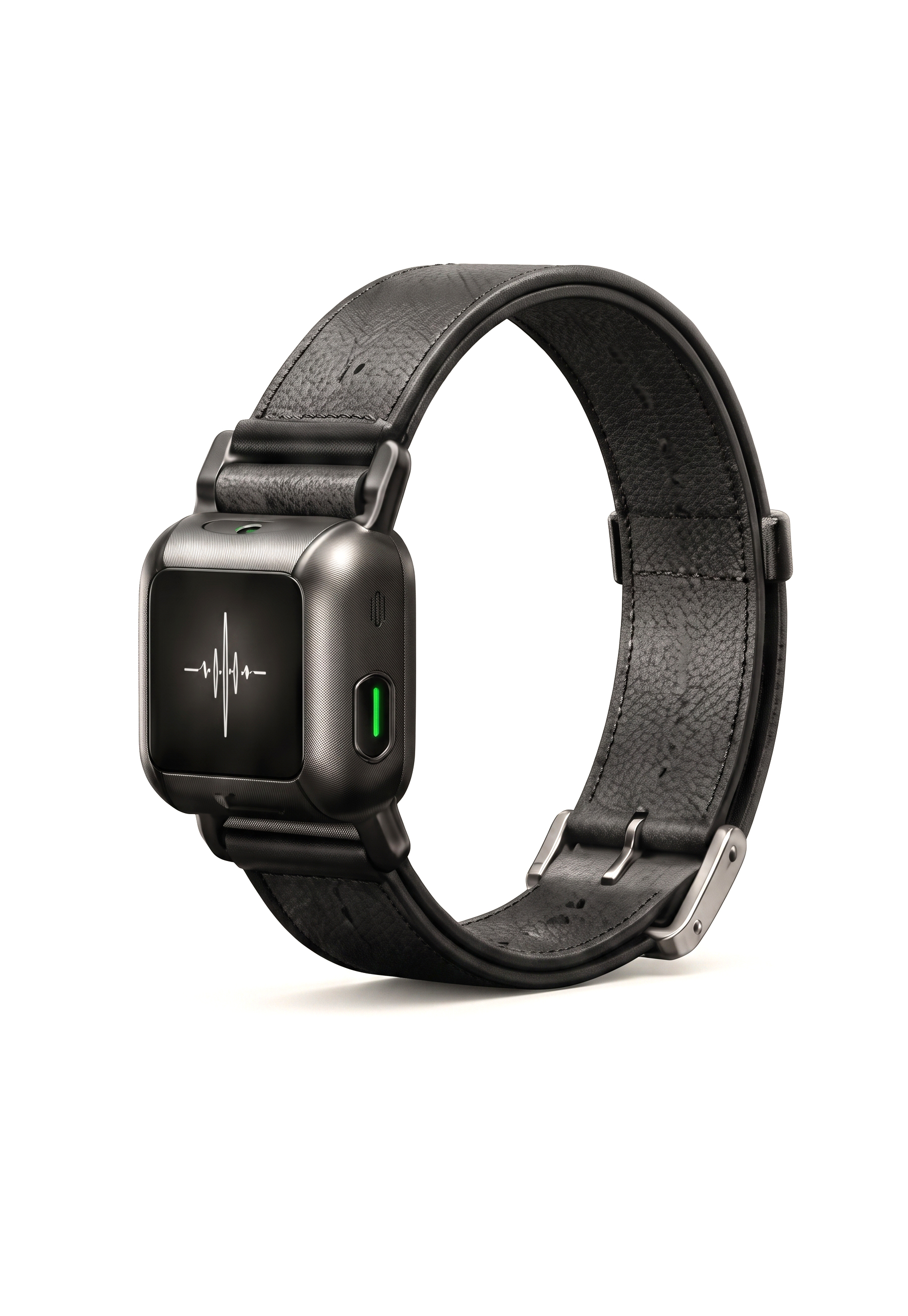
The most useful setup we see is a feeder plus an activity tracker: appetite drops often show up in collar activity data days before they are visible in a food bowl. Together they form an early-warning system rather than two separate gadgets.
Our take: for dry-kibble-only homes, a basic gravity feeder plus discipline covers 80% of the benefit. For fresh-food feeding, busy schedules or medical portioning, a refrigerated smart feeder stops being a luxury very quickly.